
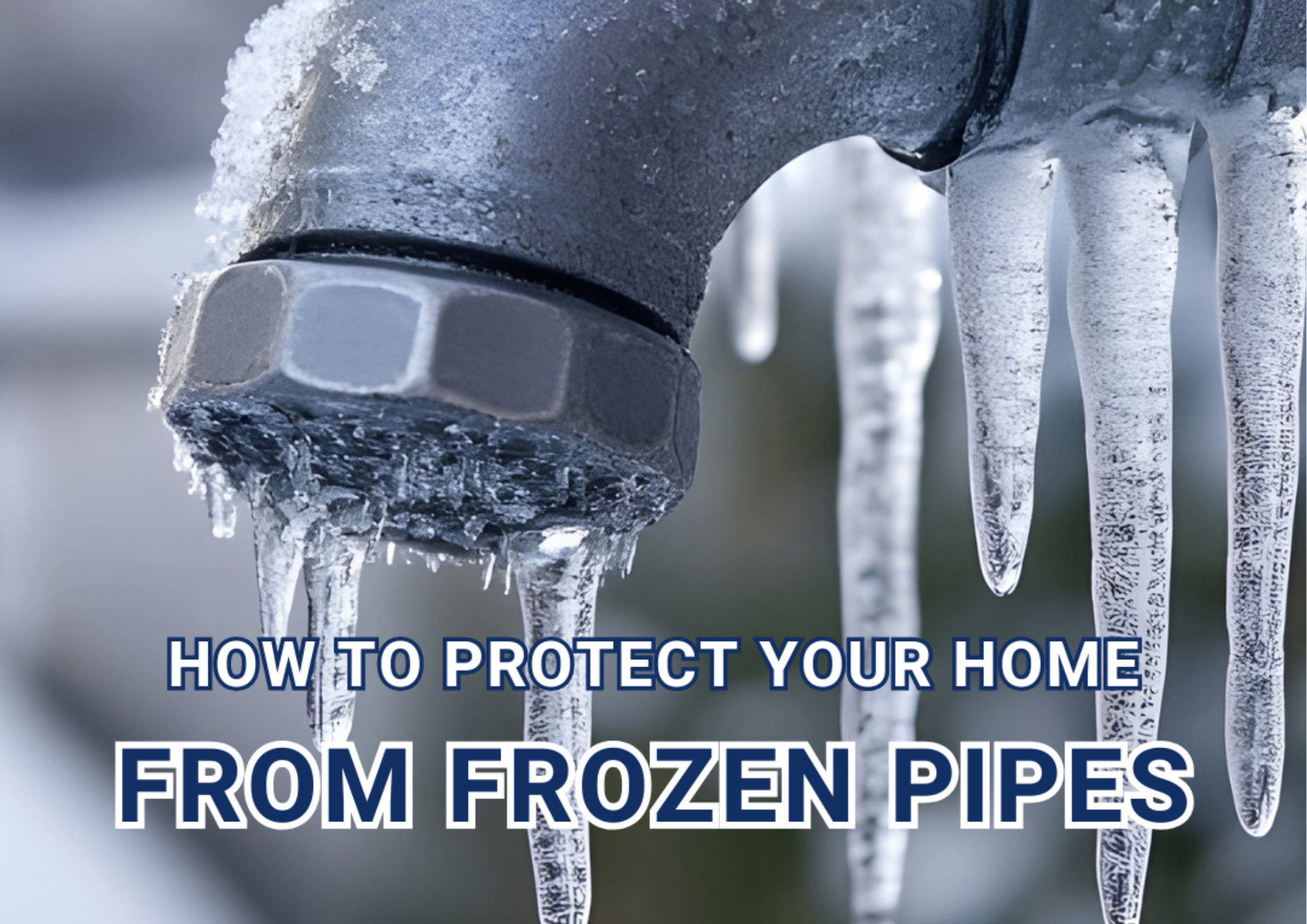
When winter arrives and temperatures begin to drop, frozen pipes quickly become one of the most common, and expensive, problems homeowners face. Every year, countless homes experience frozen or burst pipes that lead to water damage, mold growth, and costly emergency repairs. The good news? Frozen pipes are largely preventable with the right knowledge and preparation.
In this comprehensive guide, we’ll explain why pipes freeze, which pipes are most at risk, and exactly how to keep pipes from freezing during winter. Whether you live in a newer home or an older property, these winter plumbing tips will help protect your home, your plumbing system, and your wallet.
Why Do Pipes Freeze in Cold Weather?
Pipes freeze when water inside them is exposed to freezing temperatures, typically 32°F (0°C) or below. As water freezes, it expands. This expansion creates extreme pressure inside the pipe, which can cause cracks or full pipe bursts.
Contrary to popular belief, pipes often burst after the ice begins to thaw, releasing a sudden rush of water into walls, ceilings, floors, or basements. Even a small crack can release hundreds of gallons of water in a short amount of time.
Frozen pipes can cause:
- Severe water damage
- Structural issues in walls and flooring
- Mold and mildew growth
- Loss of running water
- Expensive plumbing repairs and restoration costs
Understanding how and where pipes freeze is the first step toward effective prevention.
Which Pipes Are Most Likely to Freeze?
Some pipes are far more vulnerable than others, especially in colder climates.
High-risk pipes include:
- Pipes located in exterior walls
- Plumbing in unheated spaces (basements, crawl spaces, attics, garages)
- Outdoor spigots and hose bibs
- Kitchen and bathroom pipes near exterior walls
- Pipes near cracks, drafts, or poor insulation
Older homes, homes with outdated insulation, or properties that are vacant during winter are especially susceptible to frozen plumbing.
.png?width=2000&height=1414&name=How%20to%20Avoid%20Freezing%20Pipes%20in%20Your%20Home%20This%20Winter%20(2).png)
How to Prevent Pipes from Freezing in Winter
1. Maintain a Consistent Indoor Temperature
One of the simplest and most effective ways to prevent frozen pipes is keeping your home heated consistently.
Best practices:
- Set your thermostat to at least 55°F, even when you’re away
- Avoid turning the heat off completely during winter travel
- Maintain steady temperatures day and night
While lowering the heat may seem like a way to save energy, frozen pipe repairs are far more expensive than a slightly higher heating bill.
2. Insulate Exposed and Vulnerable Pipes
Pipe insulation is one of the most cost-effective winter plumbing solutions available.
Where to insulate pipes:
- Basements and crawl spaces
- Garages
- Attics
- Utility rooms
- Any pipe near an exterior wall
Common insulation options:
- Foam pipe sleeves
- Fiberglass pipe wrap
- Rubber pipe insulation
- Heat tape (for extreme cold conditions)
Proper insulation helps pipes retain heat and dramatically reduces the risk of freezing during cold snaps.
.png?width=2000&height=1414&name=How%20to%20Avoid%20Freezing%20Pipes%20in%20Your%20Home%20This%20Winter%20(4).png)
3. Seal Drafts and Air Leaks Around Your Home
Cold air infiltration is a major contributor to frozen pipes. Even small drafts can allow freezing air to reach plumbing hidden inside walls.
Inspect and seal:
- Cracks around windows and doors
- Gaps where pipes enter the home
- Foundation cracks
- Openings around vents and electrical lines
Use caulk or expanding spray foam to block cold air and protect plumbing from freezing temperatures.
4. Let Faucets Drip During Extreme Cold
Letting faucets drip during extremely cold weather is a well-known method for frozen pipe prevention.
Why this works:
- Moving water freezes more slowly than standing water
- It reduces pressure buildup inside pipes
Focus on faucets connected to pipes located along exterior walls or in unheated spaces. Even a slow, steady drip can make a significant difference during subzero temperatures.
.png?width=2000&height=1414&name=How%20to%20Avoid%20Freezing%20Pipes%20in%20Your%20Home%20This%20Winter%20(1).png)
5. Open Cabinet Doors to Improve Air Circulation
Kitchen and bathroom sink pipes are often hidden behind cabinet doors, preventing warm air from reaching them.
Helpful tip:
- Open cabinet doors under sinks during cold nights
- Allow warm indoor air to circulate around pipes
This is especially important in older homes or homes with limited wall insulation.
6. Prepare and Protect Outdoor Plumbing
Outdoor plumbing fixtures are among the most common causes of frozen and burst pipes.
Before winter arrives:
- Disconnect and drain all garden hoses
- Shut off interior water valves leading to outdoor spigots
- Drain remaining water from exterior lines
If possible, install frost-free hose bibs or insulated covers for long-term protection against freezing temperatures.
.png?width=2000&height=1414&name=How%20to%20Avoid%20Freezing%20Pipes%20in%20Your%20Home%20This%20Winter%20(3).png)
7. Keep Garage Doors Closed During Cold Weather
If your garage contains plumbing or shares walls with your home, cold air can easily freeze nearby pipes.
Best practices:
- Keep garage doors closed as much as possible
- Insulate garage walls and ceilings if feasible
- Avoid prolonged door openings during extreme cold
This simple step can prevent freezing in pipes running through garage walls or ceilings.
8. Use Heat Tape or Heating Cables for High-Risk Pipes
For pipes that are repeatedly exposed to freezing conditions, heat tape can provide added protection.
Important safety guidelines:
- Use UL-approved heat tape only
- Follow manufacturer installation instructions carefully
- Never overlap heating cables
- Inspect heat tape annually for damage
Heat tape is especially useful in crawl spaces, basements, and older homes with limited insulation.
What to Do If Your Pipes Freeze
Despite preparation, pipes can still freeze during severe winter weather. Acting quickly can prevent pipes from bursting.
Common signs of frozen pipes:
- Little or no water flow
- Reduced water pressure
- Frost or condensation on exposed pipes
- Unusual odors from drains
If you suspect frozen pipes:
- Turn off the main water supply
- Open faucets to relieve pressure
- Gently warm the frozen section using:
- A hair dryer
- A space heater (kept at a safe distance)
- Warm towels wrapped around the pipe
Never use open flames, such as a blowtorch, as this can damage pipes and pose a serious fire risk.
If you cannot locate the frozen area or the pipe has burst, contact a professional plumber immediately.
.png?width=2000&height=1414&name=How%20to%20Avoid%20Freezing%20Pipes%20in%20Your%20Home%20This%20Winter%20(5).png)
Long-Term Solutions for Preventing Frozen Pipes
If frozen pipes are a recurring issue, long-term improvements may be necessary.
Consider investing in:
- Upgraded home insulation
- Pipe rerouting away from exterior walls
- Frost-resistant plumbing fixtures
- Smart temperature and leak monitoring systems
- Annual plumbing inspections
These upgrades improve both winter protection and overall home efficiency.
Why Frozen Pipe Prevention Is So Important
Frozen pipes are more than just a winter inconvenience, they can result in thousands of dollars in repairs and long-term damage to your home. Preventative maintenance is always less expensive and less stressful than emergency plumbing repairs.
Preventing frozen pipes helps homeowners:
- Avoid water damage and mold growth
- Maintain reliable access to running water
- Protect structural components of the home
- Extend the lifespan of plumbing systems
Final Thoughts: Protect Your Home This Winter
Knowing how to avoid freezing pipes is a critical part of winter home maintenance. From insulating pipes and sealing drafts to keeping consistent indoor heat and monitoring vulnerable areas, small preventative steps can make a big difference.
If you’re unsure whether your home is properly prepared for winter or want help protecting your plumbing system, consulting a professional before temperatures drop can save you time, money, and stress.
A little preparation now can prevent a major headache later.


